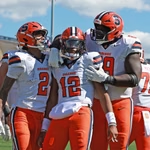
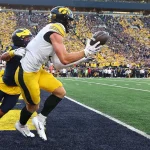
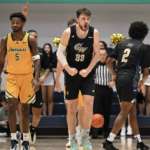
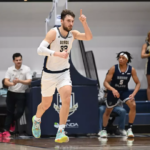
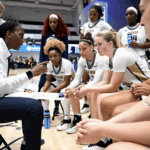
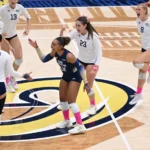
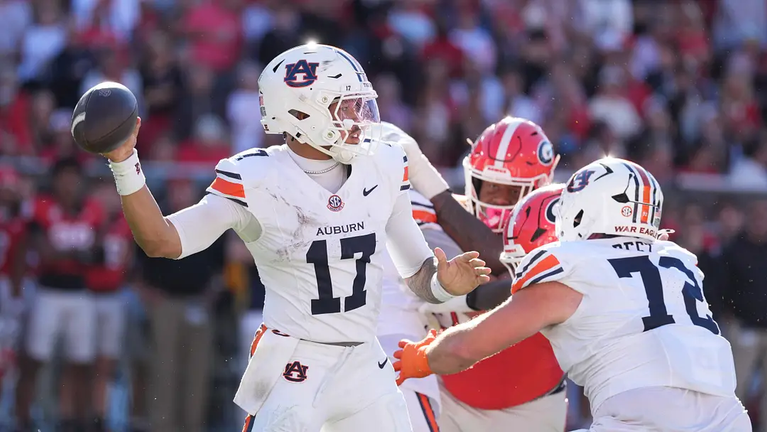
By Michael Frere Hello dear readers, you may have noticed this week’s piece released a little late. Well, that’s because I have been debating how to rank the teams this…
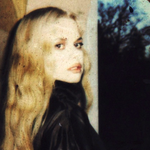
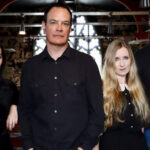
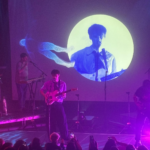
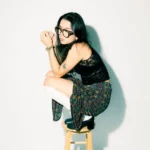
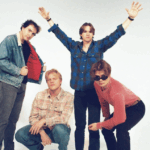
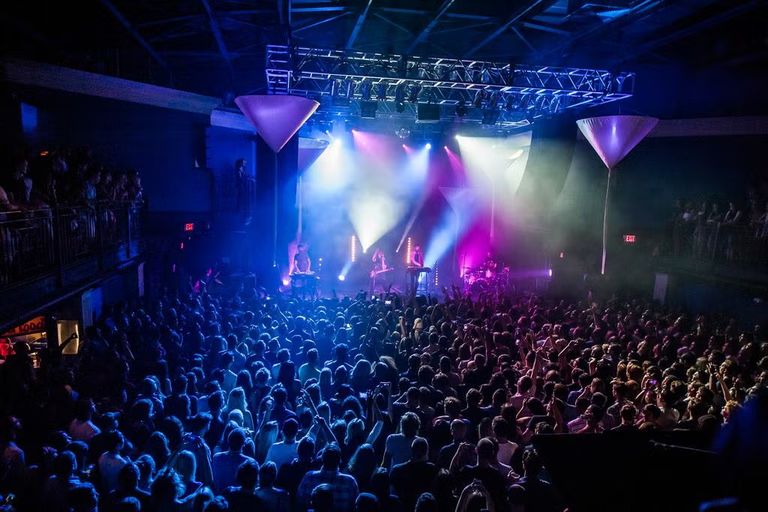
British indie pop artist Xenya Genovese, also known as Freak Slug, is headlining an upcoming show at The Atlantis at 6:30 p.m., bringing her fun, dreamy music to the stage.
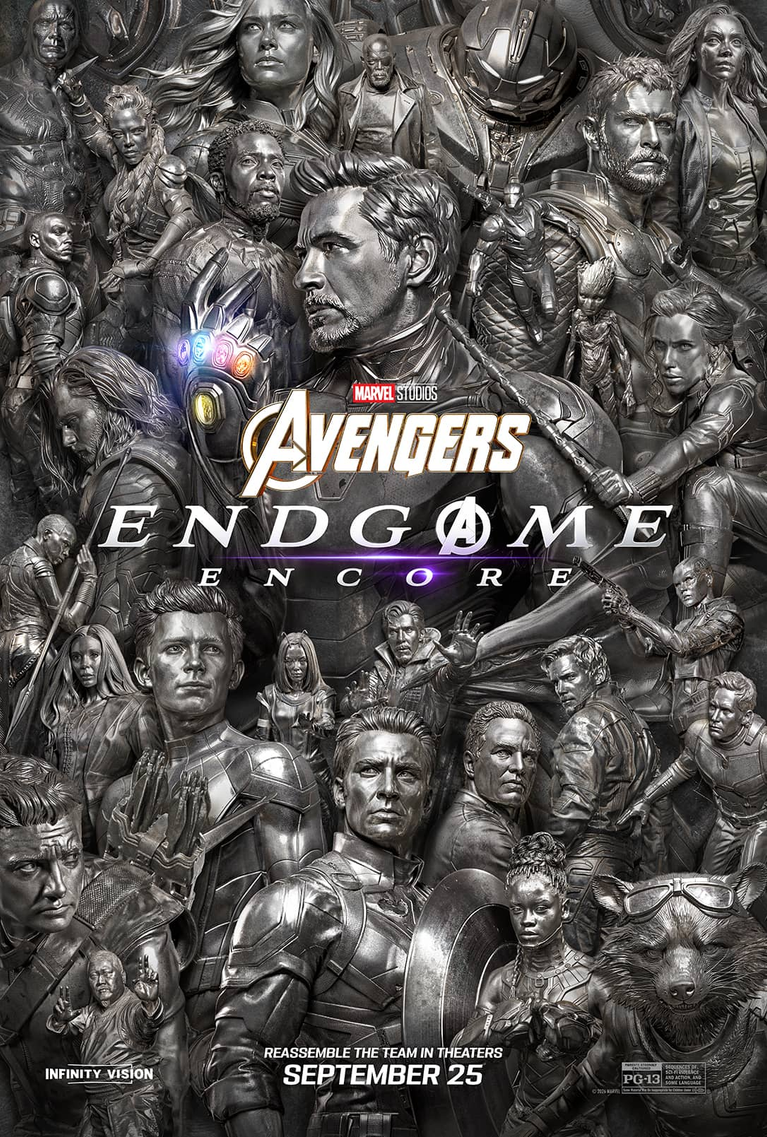
On Friday, September 25th, the second highest-grossing film of all time returned to theaters: Avengers: Endgame. During its opening weekend, Endgame added another 86 million dollars to its sales. The encore showed the film with a brighter color grade and four post-credit scenes that set up the next Marvel installment, Avengers: Doomsday.
Thanks to an act recently passed in Washington, D.C., buying a ticket to a concert or theater performance in D.C. will no longer be hampered by scammers reselling $50 tickets for $200+.
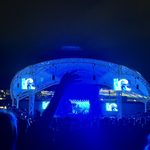
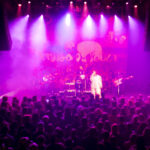
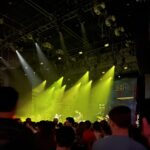
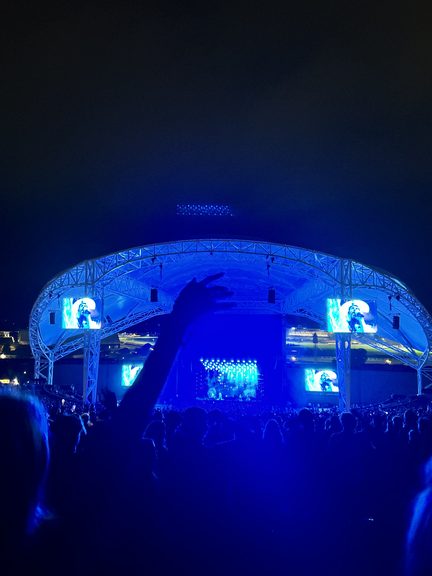
Is there actually an empire on the sun? I know this is a ridiculous question. But somehow, Empire of the Sun’s concert at the Mystic Lake Amphitheater in Shakopee, Minnesota, made it feel like anything was possible. Whether it was the alternating flashes of light, the secluded dome that made up the stage set, or the light, magical drizzle of rain, August 14th became an unforgettable night of passionate dancing, singing, and reflection.
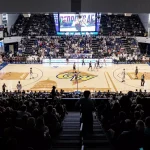
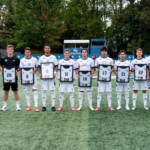
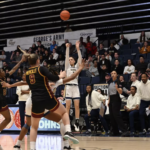
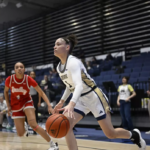
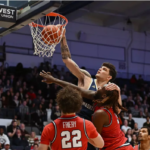
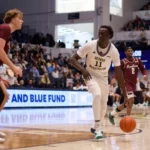
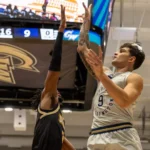
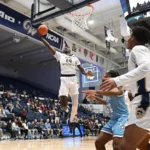
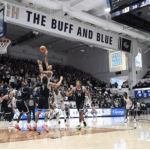
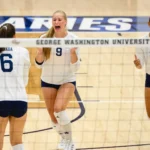
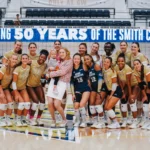
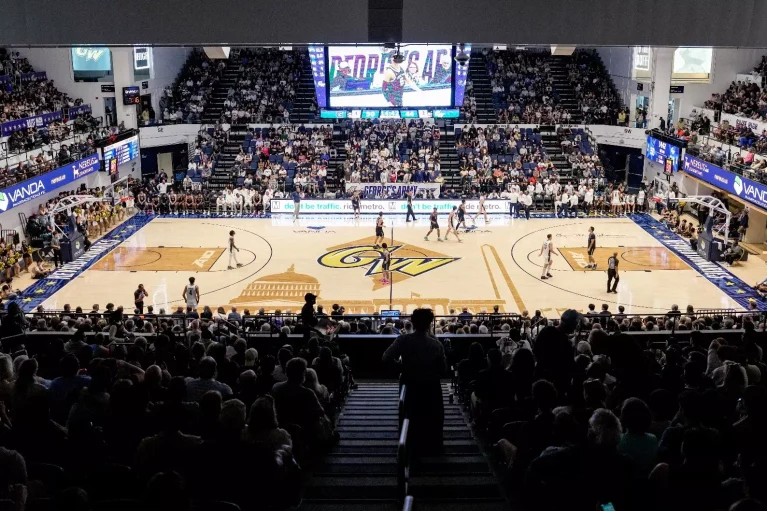
By Henry Simon Alexander The Smith Centre was packed to capacity for the second year in a row to watch the George Washington Revolutionaries take on the Georgetown Hoyas Friday…
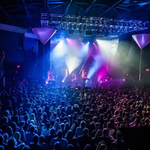
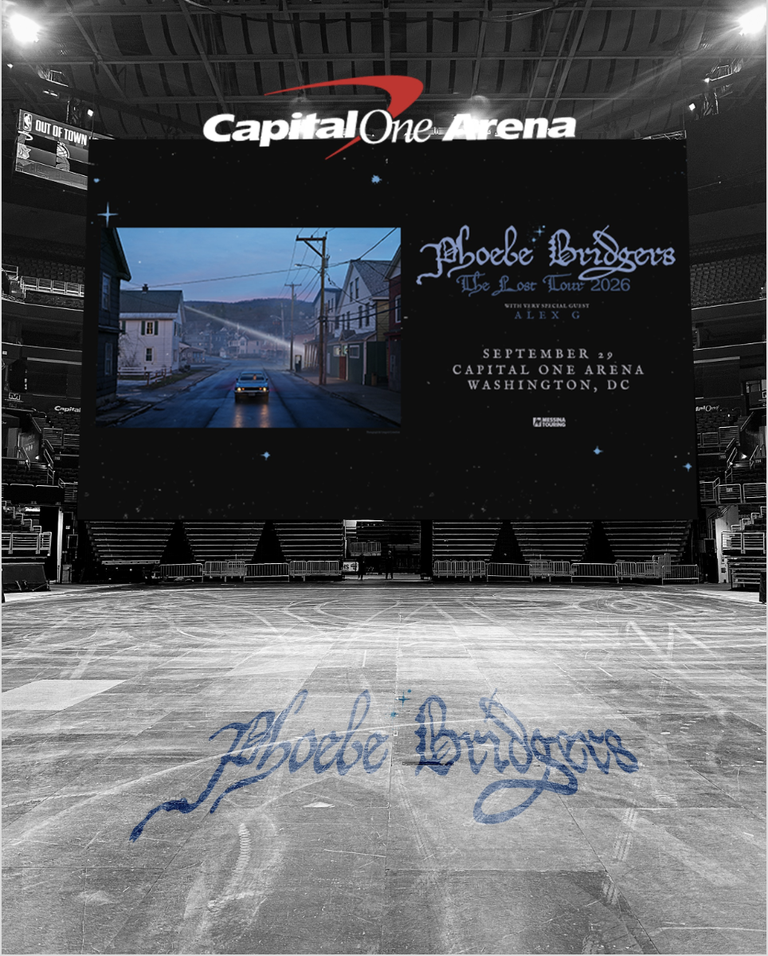
The Phoebe Bridgers concert at the Capital One Arena on September 29th was the embodiment of her lyric “cried at your show with the teenagers.” One woman with an angel’s voice brought an entire arena to tears with songs so devastatingly beautiful that they transformed the concert into an incredibly emotional display of music, yet I have no proof this night was even real.
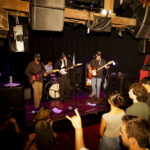
By Caela Kushner American indie-pop singer Lexi Jayde is performing at The Atlantis on Wednesday, October 21, 2026. This will be the third stop of The Lover Girl Tour, named…