
By Katie Surkin
In the mid-1990s, as grunge faded and pop-punk surged, an underground, post-hardcore, emo revolution was occurring. At the heart of this movement was Texas Is the Reason, a band from New York that helped shape the sound and spirit of what we call second-wave emo.
Formed in 1994 by veterans of the hardcore scene, Texas Is the Reason was born out of a desire to move away from the aggression of hardcore without abandoning its emotional intensity. Their music was cleaner, slower, and more restrained but still carried the undercurrent of feeling that made hardcore so compelling. Their lone full-length album, Do You Know Who You Are?, released in 1996, was crafted with a post-hardcore foundation but delivered with the emotional clarity that became a prime characteristic of second-wave emo. Their songs avoided theatrics, opting instead for subtle build-ups, intricate guitar interplay, and a kind of quiet confidence and mystique that set them apart.
However, the band split shortly after releasing this album, depriving us of all that could have been. They’ve had random one-night reunions between 1997 and 2013 but went dark for a while. After being split for over 10 years, Texas Is The Reason announced they were reuniting for their 30-year anniversary (minus their original guitarist Norman Brannon). The announcement and subsequent tour dates and vinyl re-releases inspired me to reflect on what may be one of the greatest, most introspective post-hardcore albums.
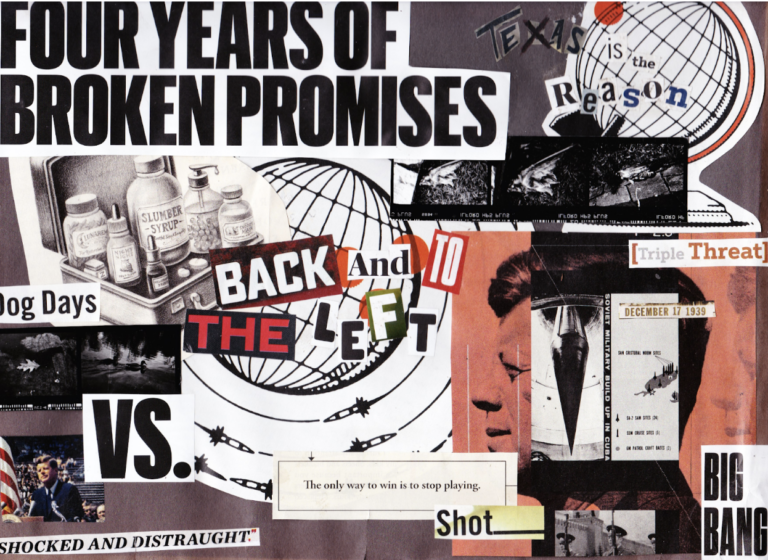
As you listen through Do You Know Who You Are?, you’ll notice that JFK references are packed into this album—and it starts even before the music. The band’s name, Texas Is the Reason, is itself a reference. It comes from a line in the Misfits’ song “Bullet,” which claims, “Texas is the reason that the president’s dead.” It’s a loaded name that sets the tone for a band deeply fascinated by the aftermath of violence, the weight of history, and the search for meaning in chaos.
That same sentiment runs through the album’s track titles, with phrases pulled straight from JFK conspiracy lore. But these aren’t political songs, and you won’t hear those references in the lyrics themselves. Instead, the band uses this imagery to build an emotional, introspective atmosphere: one shaped by uncertainty, emotional rupture, and the haunting feeling of something that’s happened that you can’t fully explain. The public has rewatched and reinterpreted the JFK assassination but never resolved what truly happened. This album lives in that emotional space after impact.
Even the clean, melancholic instrumentation reflects that restraint. This isn’t music that demands attention. There’s a quiet intensity: something’s broken, but the band never screams about it. They just let the feeling stretch out, hang in the air, and echo back on itself. The music pulses with tension and vulnerability. There’s a focus on the things left unsaid, the moments you replay in your mind, the ache that lingers. In that way, “Do You Know Who You Are?” isn’t just a title, it’s a question that haunts every track. It’s not really about what happened, it’s about what lingers and living with the tragedy.
I’ve gone through every song on this album, replayed and relived them, and tried to tear into every reference and meaning I could. After deciphering my own crazed writing from printed lyric sheets, I have summarized my conclusions as succinctly as possible:
1. Johnny on the Spot
The opener kicks in with urgency; the title, Johnny on the Spot, is slang for someone who’s always ready or in the right place at the right time. This contrasts with lyrics full of uncertainty and fractured connection. Subtle JFK reference number one, “Johnny.” One might say he was in the wrong place at the right time, given his motorcade route was changed last minute…
2. The Magic Bullet Theory
Next up, The Magic Bullet Theory (reference two). Named after the JFK assassination theory to explain how a single bullet caused multiple wounds, the title hints at searching for explanations where there may be none. It suggests skepticism when forcing an explanation onto something that does not fit.
3. Nickel Wound
Nickel Wound is steeped in emotional vulnerability. I’ve sat for a good while trying to debate if this is nickel wound, like a guitar string, or nickel wound, like a cut. Perhaps a double entendre. Someone said it refers to the wound in Governor Connally’s neck after the assassination. This song is seemingly about being stuck in a bad situation after a change, potentially a relationship, and trying to break out of it but falling back into the same place time after time.
4. There’s No Way I Can Talk Myself Out of This One Tonight (The Drinking Song)
This next song is a personal favorite of mine. Then again, this whole album is. A long, confessional title in classic emo fashion, this track feels like a journal entry at the end of a hard night. The lyrics are shrouded in obsession, and alcoholism serves as a metaphor for how much he needs whoever he is singing about. She is the song he sings over and over, always insisting it will be the last time—when it never is.
5. Something to Forget (Version II)
This reworking of a track from their debut EP strips the sound down and makes space for reflection. Something To Forget kinda seems to tie together Johnny’s inability to always be on the spot and the need from Nickel Wound and Drinking Song to break out of the cycle, but this time with the mention of rebuilding. The lyrics deal with the disconnect between the past and moving on and the act of rewriting the story in hopes of a different ending.
6. Do You Know Who You Are?
The title track takes its name from the last words John Lennon reportedly heard before he died, spoken by a paramedic. It’s a haunting meditation on identity and impermanence. The song’s title and melody encapsulate the themes of final moments, legacies, and the question of who we are when we’re gone or when everything falls apart.
7. Back and to the Left
Another JFK reference (now number three), taken from the Zapruder film analysis. Back and to the Left grapples with moments that change everything. The title reflects how memory distorts over time and how we try to make sense of the irreversible. The lyrics evoke something endlessly replayed and dissected, just like JFK’s assassination for the past 60 years. It seems like TITR actually frames this to be this same series of events they are stuck in but cannot break out of (rather than a recall of one specific memory).
8. The Day’s Refrain
Originally recorded as a B-side and included in later reissues, this track feels like a sigh after an emotional storm. It feels like a release of some of the obsession we see throughout the album; perhaps not an acceptance of what happened, but rather a reflection on failures and a need to move on.
9. A Jack With One Eye
The album originally closes with a track steeped in metaphor, possibly alluding to seeing things half-clearly or playing with a rigged deck. It also may be a reference to JFK missing a chunk of his head after being shot, ouch! It’s a farewell without closure, echoing the band’s own premature breakup shortly after the album’s release.


Thankyou for this howling post, I am glad I observed this website on yahoo.