By Adyra Fine
Thanks to an act recently passed in Washington, D.C., buying a ticket to a concert or theater performance in D.C. will no longer be hampered by scammers reselling $50 tickets for $200+. Unbeknownst to many college students, the Restricting Egregious Scalping Against Live Entertainment (or the RESALE) Act was recently enacted in Washington, marking the end of spending a good chunk of your savings on shows. Looking at the massive positive market potential of the act and the possibility of it strengthening the relationship between artists, venues and fans, a D.C. venue management company’s communications manager assured that this will mark a stepping stone for the future of D.C. concertgoing.
The Restricting Egregious Scalping Against Live Entertainment Act (RESALE), officially taking effect on January 1st, 2027, will limit resale prices to only 10% above the original value, as well as a 10% maximum fee. The act will also ban resellers from selling or advertising tickets they don’t actually own and will generally look to prevent scalping. The hope is that RESALE will heavily reduce the number of scalpers– people who typically use bots to buy up tickets for an event to resell them at a significantly higher price.
You, as the ticket purchaser, will now be able to report any scalped tickets you come across through this link. The enforcement will be tracked both by venues and the Attorney General’s office; however, as a fan, you can also scope out the illegal actions of not only the scalpers but also any platform that allows the scalped tickets to be sold. As Washington is the second place where the RESALE Act will be in effect after Vermont, it’s essential that the enforcement can be an example for other places looking to pass similar legislation.
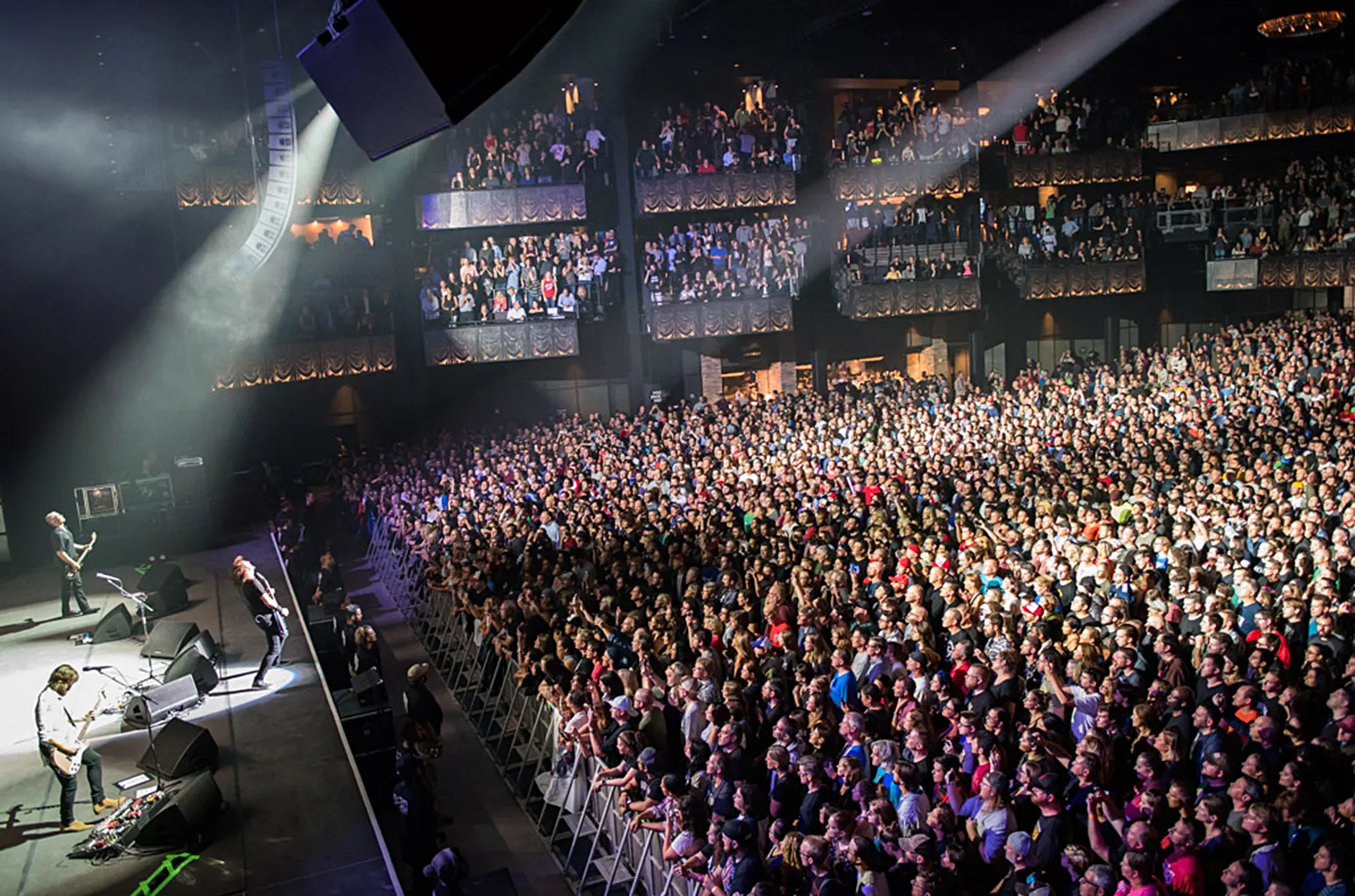
As a public art form, music should be available and accessible for everyone to enjoy, especially in a city like Washington, D.C. The district’s historically rich and diverse music culture- ranging from birthing go-go, fueling the development of hardcore punk and housing many independent venues- makes the enactment of this act all the more meaningful.
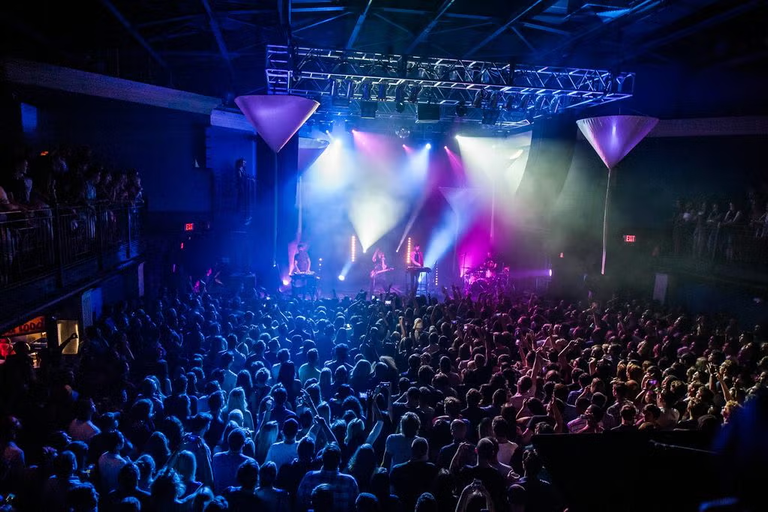
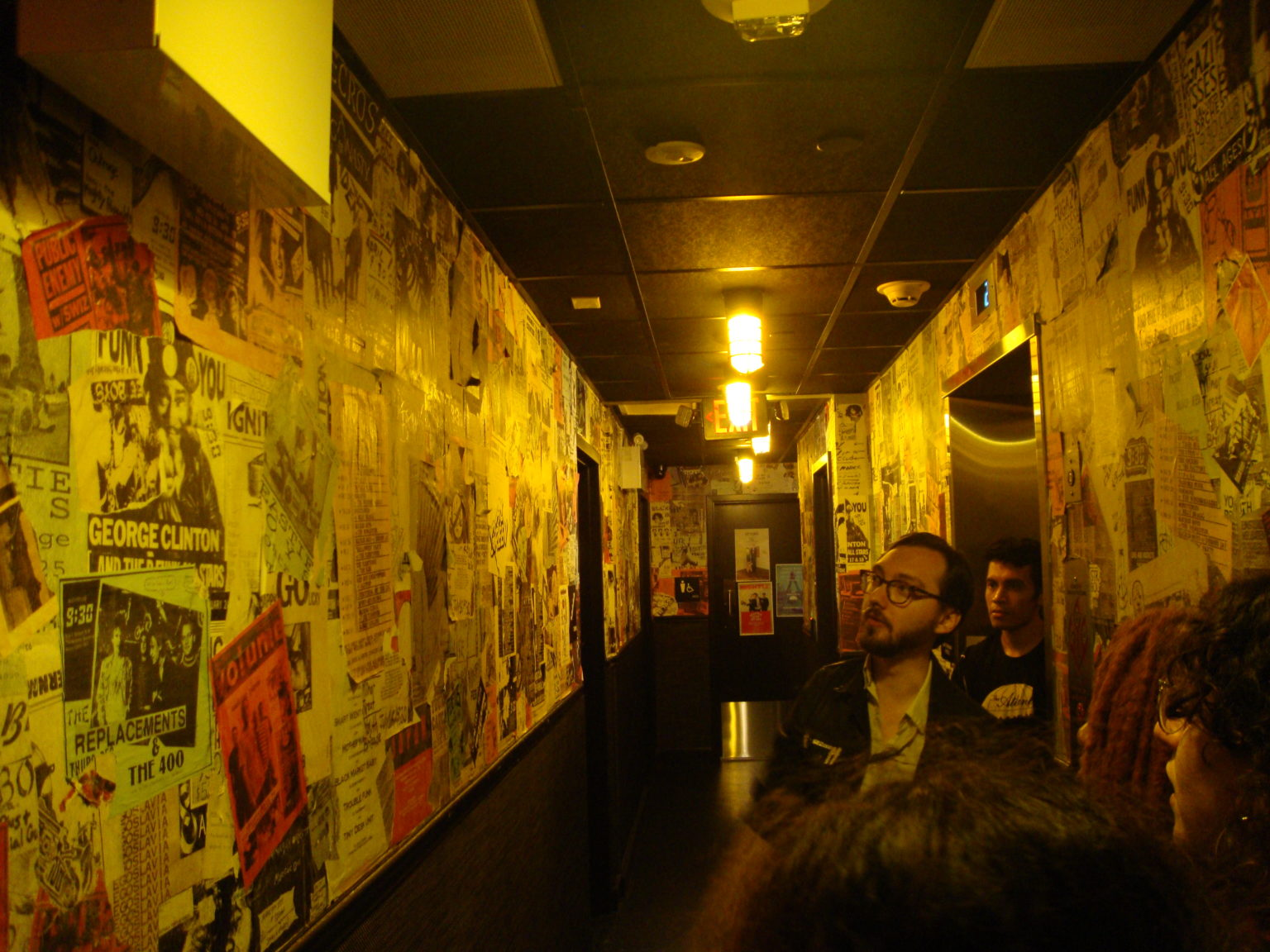
One of the main advocates of this new law is I.M.P., an independent concert promotion company that runs ticket operations for five of the main independent venues in the D.C. and DMV area, including 9:30 Club, The Anthem, and Lincoln Theatre. In an interview with the Blog, Jordan Grobe, a GWU and WRGW alum and I.M.P.’s senior communications manager, said that over the years, he’s witnessed many laws backed by ticket resale platforms that end up benefiting the companies and leaving consumers and artists harmed.
Aside from the venues, artists themselves have also come out in support of laws like the RESALE Act here and in other cities as well. For example, Noah Kahan is actively supporting the Great Divide Act in New England, which essentially follows the same guidelines as RESALE.
Grobe then emphasized the impact that ticket scamming has on audiences. He said that it’s a problem that not only directly affects the audience but also artists and venues when people are unable to get into the shows.
“We’re the people in front of them telling them they can’t come through our doors, which is never a position that we want to be in,” Grobe said.
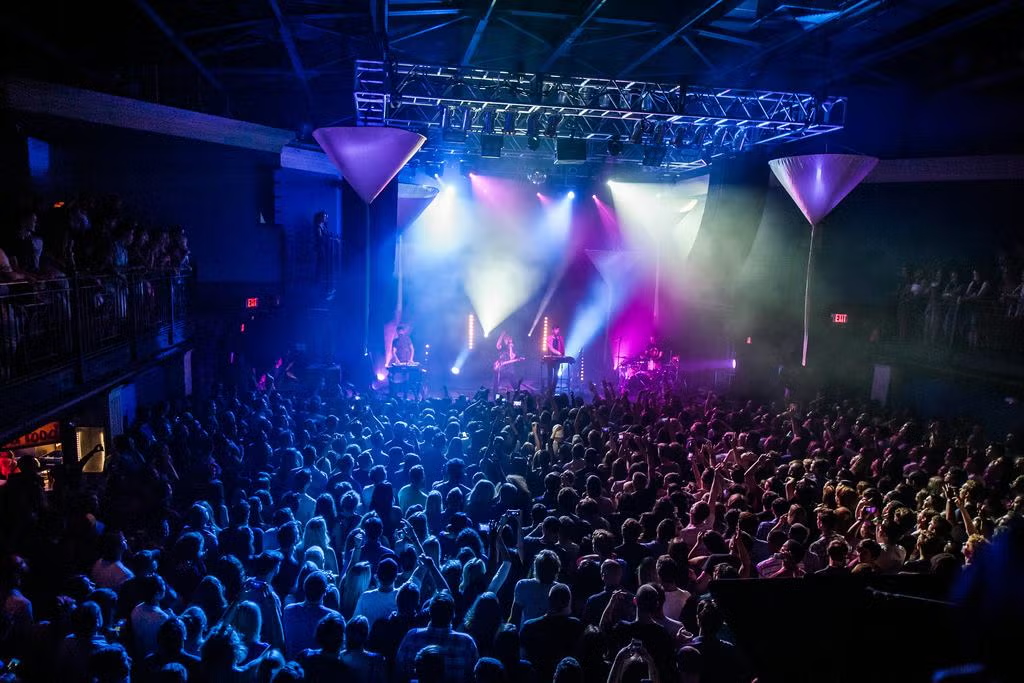
As frequent concertgoers, college students will especially benefit from this law, with many saying they will likely attend more shows because of it.
“I feel like the main thing that holds me back [from attending a concert] is when I look at an artist I like, and a ticket is $100 or more,” GWU senior Sofia Gierthy said.
Gierthy, originally from Barrington, Illinois, recalled buying resale tickets to see Hozier in D.C. in 2024. She shared that she had to pay $160 for floor tickets that she later realized originally went for $50.
Speaking on the inaccessibility aspect of high ticket prices for younger people, Grobe noted past conversations with young fans about ticket prices.
“They’re just accustomed to seeing these insane prices on StubHub and similar websites, so they don’t know that a genuine face-value ticket is often only like $50 or $60,” Grobe said. They think that the shows they want to see are inaccessible because they assume they’re two or three hundred dollars.”
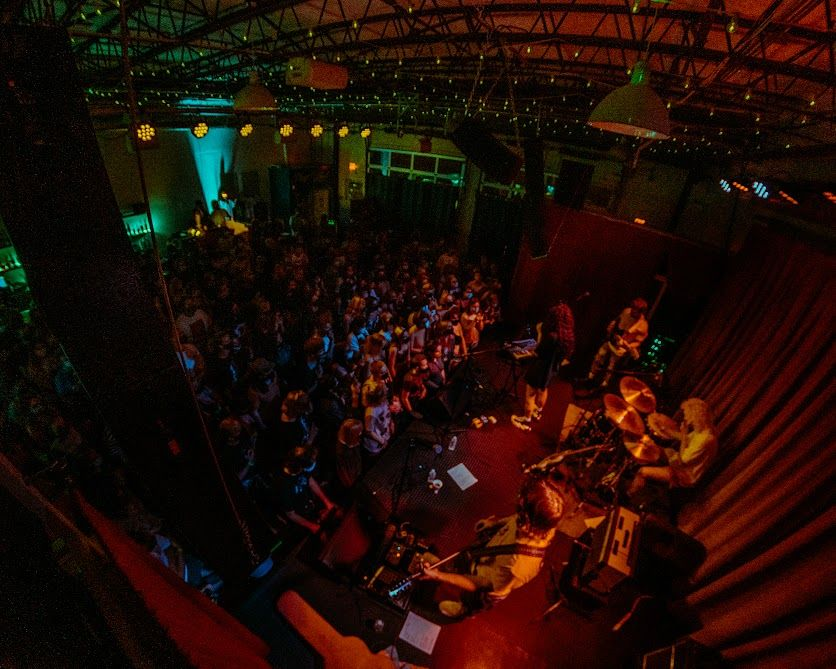
These scalped prices also keep other students, like GWU sophomore Abigail Gore, from going to shows in D.C.
She mentioned that she’s discouraged from attending concerts mainly because of the ticket prices she’s encountered on ticket platforms. The new law will have her attending shows “more frequently, since it’s applicable to tickets on Ticketmaster and SeatGeek.”
The law will also benefit students who don’t normally attend concerts, such as GW student Van Gower. Mentioning an experience that feels all too familiar for young concertgoers, Gower said, “I bought my tickets for maybe $20 a piece, and then I was gonna try to buy a third one, but they were like $150. So, I didn’t get my third ticket.”
It’s a common experience to see those ticket prices jump high and fast. Life gets busy and sometimes fans don’t have the time to immediately purchase tickets the minute they are released, unlike resellers and bots.
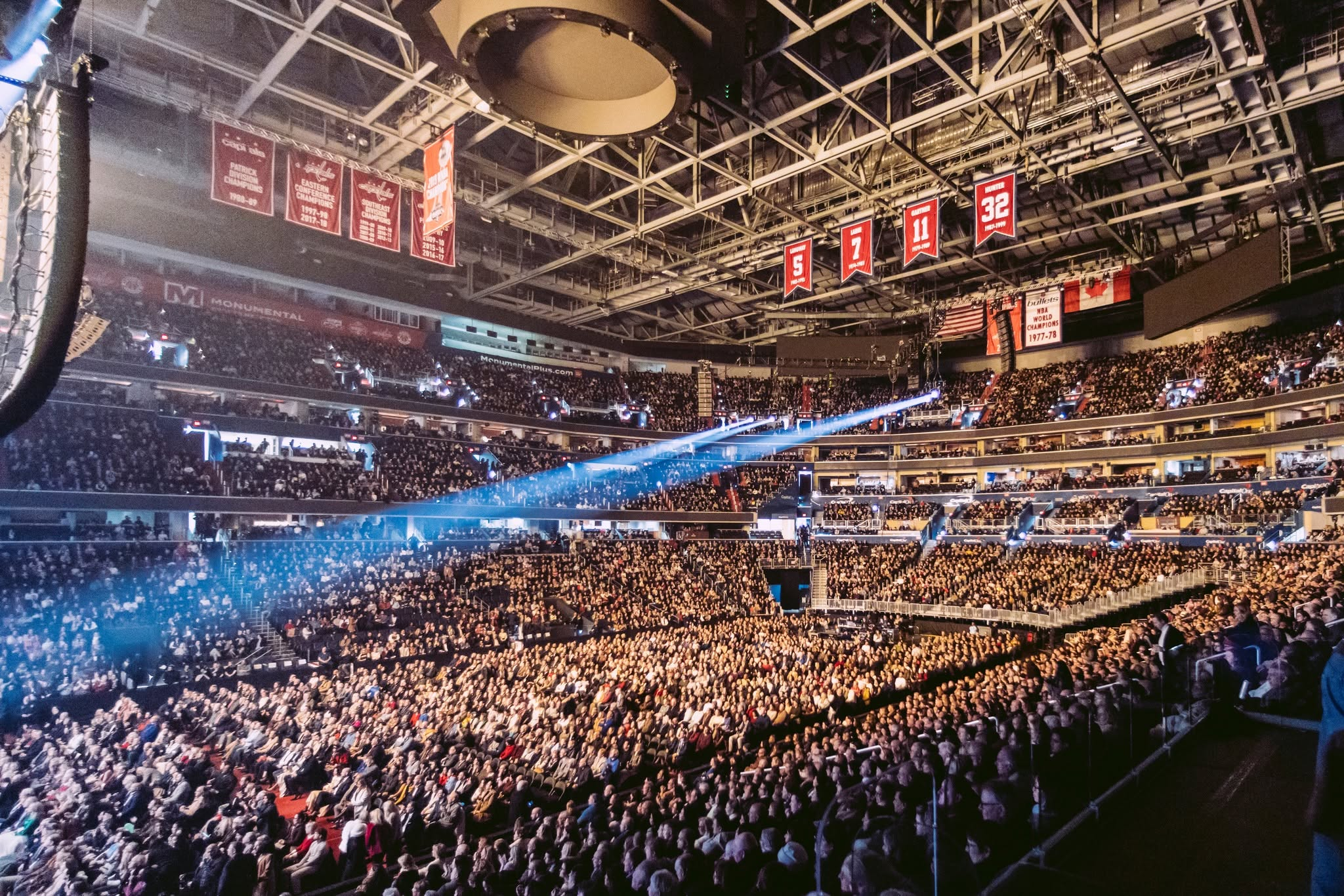
With the RESALE Act in place, that third ticket’s price would’ve only increased to $22 plus fees and it could’ve probably ended up in the hands of Gower, a fan, rather than a reseller. This instance was in Gower’s hometown of Nashville, Tennessee, and although Gower hasn’t yet been to many shows in Washington, saying that pricing has been the main discouraging factor; he definitely will now attend more shows.
Whether you are a fan, artist, or venue owner in Washington, D.C., safe to say you’ll benefit from the enactment of the RESALE Act. Legislation like this is what keeps young people and actual fans going to shows, which is exactly what artists and venues want. As D.C.’s music scene continues to evolve with the RESALE Act, its role as an outlet for community connection, learning and growth will follow suit, reaching new heights and filling out the city’s venues.