

By Jacob Christian
When Bad Bunny stepped into the NPR studio last year, the internet lit ablaze from the United States to the southern tip of Patagonia. Coming off the success of his most recent album, DeBÍ TiRAR Más FOToS, a homage to his Puerto Rican heritage, he once again shattered records as the most-watched premiere in the series’ history and barriers as the first Latino solo act to perform a Super Bowl halftime show singing predominantly in Spanish. More eye-catching are the symbols intertwined in his performances and his selection of songs. From the defiant sky-blue of the independence flag decorating the Tiny Desk studio to the choreography of the Super Bowl setlist, following Bad Bunny past a piragua stand, through mock sugar cane fields, and as he ascends an electric pole, he weaves the story of Puerto Rico, detailing the exploitation of Spanish and American colonialism and imperialism (see “LO QUE LE PASÓ A HAWAii”) and the pride (“VOY A LLEVARTE PA PR”) forged by the resilience and resistance of Puerto Ricans in spite of the oppression they have faced, such as the neglectful response of the U.S. government to Hurricane María that left the island in a nearly year long total blackout (“El Apagón.”)
Released later that year, La vida era más corta describes a grittier version of Pan-American pride in resistance, from an emerging young artist, Milo J, influenced by his childhood growing up in the reguetón and urbano scenes of Buenos Aires, Argentina, where his family lived in the shadow of the Argentinian dictatorship and the economic hardship caused by austerity. Milo J mixes folclórica latinoamericana with the traditional rhythms of trap urbano and R&B, representing in his music and dress the new generation of Argentinian youth. A striking social consciousness permeates the entire album, reflecting on deeper questions about ethnicity and class, as highlighted in his emphatic turn to folklore-inspired sounds. Look no further than the diverse samples accredited in the album, incorporating fragments of songs like those of Silvio Rodríguez and Mercedes Sosa, or a feature from the Chilean rapper Akrilla and the background vocals of Uruguayan band Agarrate Catalina or the Andean instruments, including the charango, pan flute, and bombo legüero in “Solifican12.”
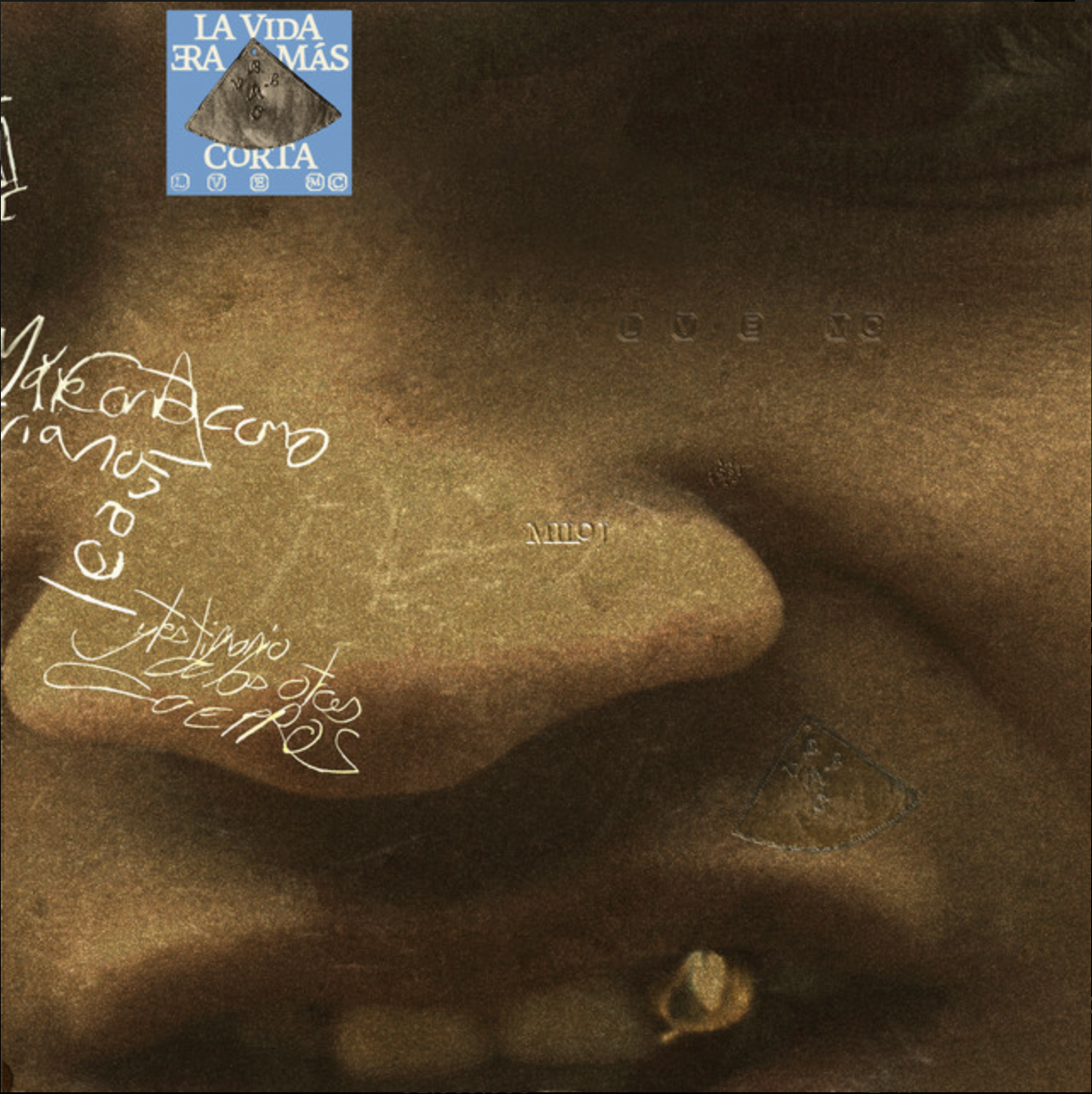
It is this ambitious, experimental album, recognized by Rolling Stones Argentina as the best Argentine release of 2025, that landed him an appearance on NPR in April this year and from which he draws upon during the performance. “Recordé” captures the spirit of the album with provocative meditations about the meaning of existence as he declares “soy otra piedra de la arena que algún día desaparecerá” / “I am just another grain of the sand that will one day disappear,” nostalgia through the line “pero no puedo volver a sacar la sal de mis heridas” / “but I cannot remove the salt from my wounds again” and the collective spirit of the ancestors by singing “Hoy recordé cuando moría, pero creo que era en la otra vida” / “Today I remembered when I was dying, but I think it was in the other life.” The declaration of “Malunguinho é rei” in the beginning pays homage to the mythological and spiritual representation of a formerly enslaved Afro-Brazilian who became a revolutionary leader of the Black maroon community of Catuca using the knowledge he learned from indigenous shamans to challenge slavery and free others from their chains, speaking to the united vision of Latin America he presents, blurring the borders of temporality, mortality, and nationality. As one commenter expressed, “I can hardly believe that I lived to see an Argentinian young man, singing with a Uruguayan group, a song that brings a native and black Brazilian heritage about an enslaved man that became the guardian of the forest.”
For those who do not speak Portuguese, the words of Agarrate Catalina in the interlude reinforce the spiritual and pan-American consciousness of “Recordé.” A member declares, “Venimos del sur del tiempo” / “We come from the South of time,” a reference to the ancestors and history, like that of Malunguinho, that influence the musical fusion of Milo J’s Tiny Desk. The descriptions of “canciones negras, blancas y marrones” and “un Edén en los suburbios pardos, mestizos, y rubios” celebrate the diversity of Latin America and his pride in bringing Argentina to the global stage, including the 22 million people who have viewed the video since its debut six months ago (six million behind Bad Bunny.)
This stunning popularity likely derives from Milo J’s extraordinary ability to vocalize both the material and existential challenges that define the human condition and shaped his burgeoning career as an artist. The chorus of “Bajo de la Piel” is a striking example: “Tengo unos tatuajes bajo de la piel que no cicatrizaron y otros se reencarnan. No me siento propio y al ver el ocaso quise ir más despacio, que el tiempo nos falta” / “I have tattoos beneath my skin that didn’t heal and others that seem to take on a new life. I don’t feel like myself and, as I watched the sunset, I wanted to slow down, for time is running short.” In “Solifican12” he asks, “si el sol está solificándose y la luna vive lunizándose ¿por qué no humanizarme?” / “If the sun is becoming more sun-like/ and the moon lives becoming more moon-like, why not become more human?,” and later states “El ser feliz es un momento, no es un modo de vivir ni el significado de existir, no seas tan gil” / “Being happy is a moment, it’s not a way of life nor the meaning of existence, don’t be so silly.”

With such poetic yet heavy and honest delivery, it is easy to forget Milo J was only 19 when La vida era más corta was released. Despite the often somber lyrics, including songs like “Luciérnagas,” inspired by the loss of his grandmother, Milo J’s fans describe the music as an inspiration. In an article published in Billboard Español, Luisa Calle writes, “Far from being simply a denunciation of marginalization, the song [“Niño”] becomes a sincere embrace of vulnerable childhoods, highlighting the pain of those who grow up in poverty, neglect, and often, are forced into crime as a means of survival.” His songs are filled with nuggets of valuable advice and hope; amidst the grieving of “Luciérnagas,” he sings, “Y nos olvidamo’ que vivir es estar ahora, es estar” / “And we forget that living is being in the now, it is simply being,” or “in the refrain of “Niño”: “Amor, no llores. Vea luz en tus malas, siguiéndote el corazón” / “Love, don’t cry. Find light within your hardships, following your heart.”
Thus, the greatest strength of Milo J is his ability to speak for a new generation of youth, who are imbued with strength from a deep connection to a rich cultural past, substantiating the “enorme fuerza que brota desde América Latina” / “enormous force that springs from Latin America,” as phrased by Catalina in the interlude. And if you have not been attentive to this great strength, take sixteen minutes out of your day to open your world. In the hands of Milo J, the kids will be okay.